Hyperthyroidism is a condition in which the thyroid gland produces excessive amounts of thyroid hormones, specifically thyroxine (T4), and triiodothyronine (T3). These hormones play a vital role in regulating your body’s metabolism, which includes how your body uses energy, body temperature, heart rate, mood and digestion.
When thyroid hormone levels are abnormally high, metabolic processes and the use of energy speeds-up, resulting in a range of symptoms such as weight loss, increased heart rate, insomnia, feeling excessively hot, and anxiety. This excessive activity of the thyroid gland is termed Hyperthyroidism. It can develop gradually or suddenly, and may vary in severity from person to person.
In Singapore, hyperthyroidism is a relatively common endocrine disorder, with Graves’ disease being the most frequent cause. However, some of the other common causes include:
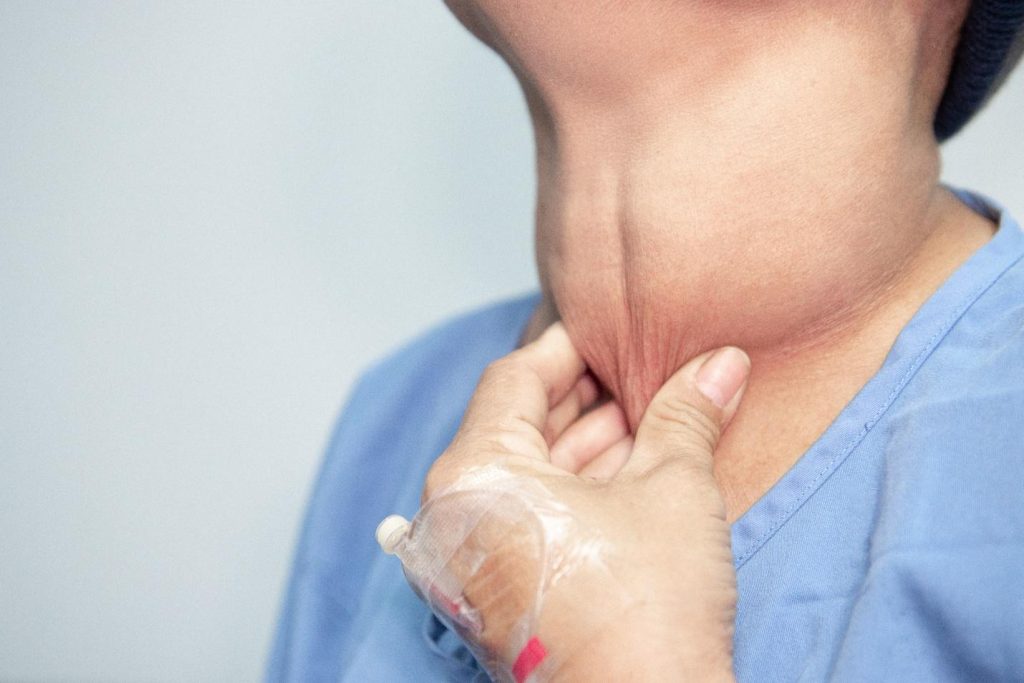
The symptoms of hyperthyroidism can vary from person to person. Additionally, these symptoms can either develop gradually or suddenly, which can be:
Endocrinologist, Dr Dinesh Mahendran finds the most common symptoms are a feeling that life is more stressful, loss of weight and increased bowel movements. When it gets more severe, palpitations are the predominant symptom.
Although hyperthyroidism can develop in anyone, there are certain individuals who are more predisposed due to genetic, hormonal or environmental factors. As such, recognising these risk groups is key to promoting early detection, and preventing long-term complications, especially in a fast-paced urban setting like Singapore, where symptoms may be mistaken for stress or lifestyle-related issues. Dr Dinesh commented that patients don’t mind the weight loss, and he has to counsel his patients on why it is an unhealthy weight loss and that treatment is crucial to prevent long-term irreversible changes to the body.
Some individuals who are more likely to develop hyperthyroidism include:
Delaying treatment for hyperthyroidism can lead to a range of serious health complications. These complications arise because excess thyroid hormones overstimulate various body systems, especially the heart, bones, muscles and nervous system.
Some of the potential complications include:
Hyperthyroidism is diagnosed through a combination of clinical assessment, blood tests, and imaging tests. Since many of its symptoms overlap with other medical conditions, a thorough evaluation is essential to confirm the diagnosis, and identify the underlying causes.
| TEST | PURPOSE | HOW IT HELPS |
| Thyroid Function Test (TFT) | To assess thyroid hormone levels. | This blood test measures levels of thyroid hormones (free T3, and free T4), along with thyroid-stimulating hormone (TSH). In hyperthyroidism, TSH is typically suppressed, while T3 and/or T4 are elevated. |
| Thyroid Antibody Test | To detect autoimmune causes. | If Graves’ disease is suspected, blood tests may be used to detect thyroid receptor antibodies (TRAB) which is diagnostic. |
| Radioactive Iodine Uptake (RAIU) Scan | To identify the cause of hyperthyroidism. | This scan evaluates how much iodine the thyroid absorbs. High uptake may indicate Graves’ disease, while low uptake suggests thyroiditis or excess hormone intake. This is the first-line test in hyperthyroidism diagnosis. |
| Electrocardiogram (ECG) | To monitor heart rhythm. | Hyperthyroidism can affect the heart. An ECG may be performed to detect arrhythmias such as atrial fibrillation. |
| Thyroid Ultrasound | To examine the thyroid gland’s structure. | An ultrasound helps visualise the thyroid, and can detect nodules, enlargement or inflammation. It is useful prior to surgery or radioactive iodine if required to ensure no other thyroid issue co-exists. |
Treatment for hyperthyroidism focuses on restoring normal thyroid hormone levels, managing symptoms, and addressing the root cause of the condition. Treatment approaches may include one of a combination of the following options:
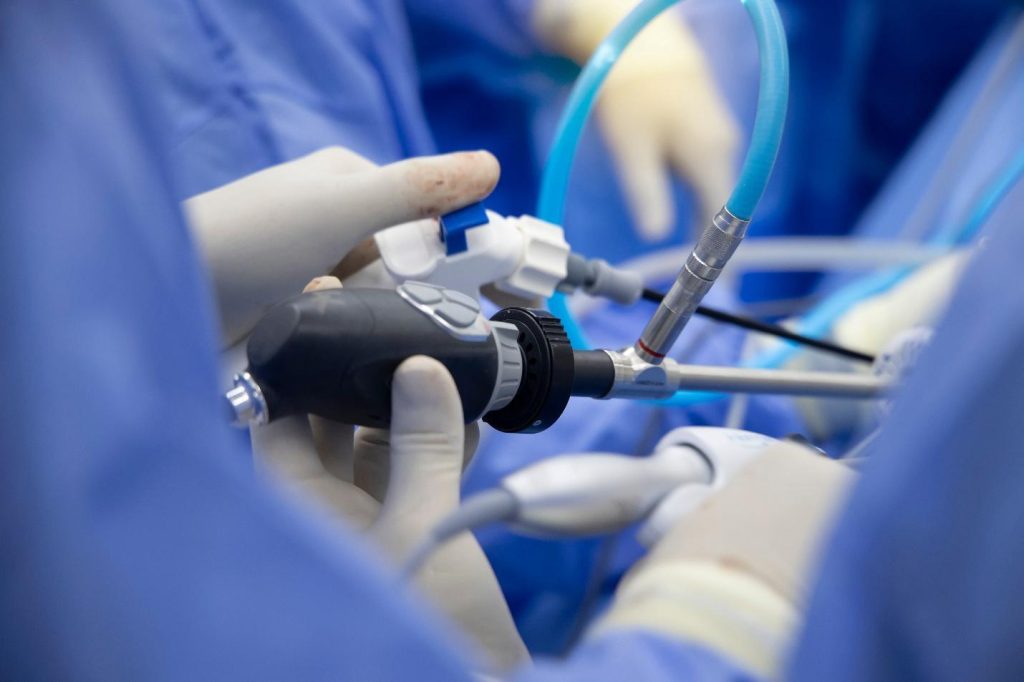
Surgical removal of part or all the thyroid gland is considered in certain cases of hyperthyroidism. This treatment option is typically recommended when other approaches, such as medications or radioactive iodine therapy, are unsuitable or ineffective. Surgery may also be necessary in specific situations, such as:
Thyroidectomy is typically performed under general anaesthesia by a specialised thyroid surgeon. There are two main types of thyroid surgery:
The procedure is usually done through a small incision made across the front of the neck. In less severe or complex cases, minimally invasive techniques, such as robotic or laparoscopic surgery, may be used, which require smaller incisions, and generally result in quicker recovery times. After surgery, patients are monitored in the hospital for a short period, and follow-up care includes checking thyroid hormone levels to adjust medication as necessary. If this is required, Dr Dinesh will refer you to a sub-specialised surgeon.

Hyperthyroidism is treatable, but the key to effective management is early detection. If you are experiencing symptoms like unexplained weight loss, rapid heartbeat, heat intolerance or irritability, do not wait for them to worsen. These could be signs of overactive thyroid, and acting now can prevent more serious health issues down the road.
At The Metabolic Clinic, our clinical team is dedicated to providing personalised treatment plans, and ongoing support to help you regain control of your thyroid health. Schedule an appointment with us today to start your journey toward a healthier, more balanced you.
It is advisable to limit excessive intake of foods high in iodine such as seaweed, kelp, and iodised salt, especially if you are on anti-thyroid medication. Caffeine, and heavily processed foods may also worsen symptoms like palpitations or anxiety prior to treatment.
Yes, some women may experience gestational thyrotoxicosis or postpartum thyroiditis. It is important to manage thyroid hormone levels carefully during pregnancy, as uncontrolled hyperthyroidism can affect both mother, and baby.
Hyperthyroidism refers to an overactive thyroid that produces too much hormone, while hypothyroidism is an underactive thyroid with insufficient hormone production. They have different causes, symptoms, and treatments.
Stress does not directly cause hyperthyroidism but can worsen symptoms. Autoimmune conditions like Graves’ disease may flare up under physical or emotional stress.
While lifestyle factors do not directly cause hyperthyroidism, they can play a role in influencing thyroid health, and potentially trigger symptoms in those who are genetically predisposed. Certain behaviours or conditions may exacerbate an existing thyroid condition or contribute to its development or worsening, such as:
Hyperthyroidism can significantly affect your quality of life if left unmanaged. Common symptoms like fatigue, anxiety, insomnia, and rapid heart rate can interfere with daily activities, work performance, and relationships. Some people may also experience emotional changes, such as mood swings or irritability, while physical symptoms like weight loss or tremors can be distressing. With proper treatment, all individuals can regain control of their health, and return to normal routines.

MBBS (Hons), FRACP (Australia)
Dr. Dinesh lulus dengan predikat terpuji dari Monash University, Melbourne, pada 2009, dan menerima penghargaan Prince Henry's Prize in Surgery. Selama pelatihan endokrinologi di Melbourne, Dr. Dinesh memenangkan penghargaan registrar terbaik di Endocrine Society of Australia Clinical Weekend pada 2016, yang kemudian diikuti dengan keberhasilan beliau mendapatkan satu-satunya beasiswa fellowship Andrologi di Australia pada 2017. Sekembalinya ke Singapura, beliau menjabat sebagai pimpinan subspesialisasi untuk layanan adrenal, pituitari, dan tulang di Khoo Teck Puat Hospital serta mendirikan The Metabolic Clinic.
Sebagai pendidik yang berdedikasi, Dr. Dinesh menjabat sebagai Associate Programme Director untuk Endokrinologi di NHG, melatih calon-calon endokrinolog generasi berikutnya, dan menerima penghargaan NHG Teaching Award for Senior Doctors pada 2023. Sebagai seorang endokrinolog dengan kemahiran dalam bidang endokrinologi umum maupun subspesialisasi, beliau memiliki minat dalam bidang longevity (umur panjang) melalui peningkatan risiko kardiovaskular, metabolisme, kesehatan tulang, dan pencegahan penyusutan otot, yang bertujuan meningkatkan jumlah tahun hidup sehat seseorang.


Jika Anda merasa “tidak seperti biasanya” meskipun hasil tes normal, mengalami perubahan berat badan, kelelahan, atau gejala yang tidak dapat dijelaskan—saatnya untuk melihat lebih dalam.
Dapatkan kejelasan dan rencana yang disesuaikan dengan kondisi hormon dan kesehatan metabolik unik Anda.


Senin - Jumat
8:30 am to 5:30 pm
Sabtu
8:30 am – 12:30 pm
Minggu dan Libur Nasional: TUTUP

© 2026 The Metabolic Clinic. All Rights Reserved.