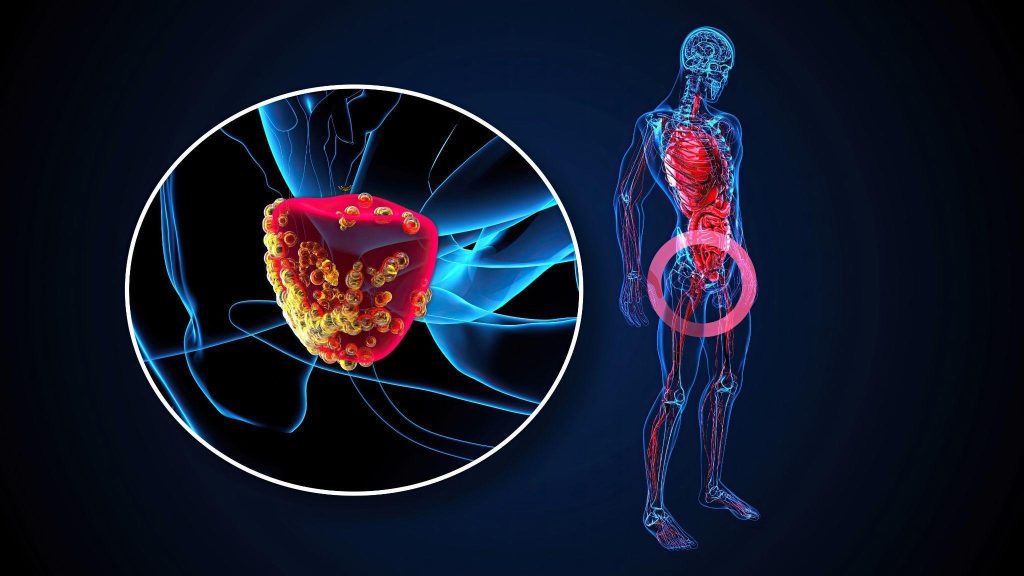
Androgen-deprivation therapy (ADT) is a treatment used in prostate cancer to reduce the effects of male hormones, particularly testosterone, which can stimulate cancer growth. It is commonly used in combination with radiotherapy, after surgery or in advanced and recurrent prostate cancer to help slow disease progression and improve treatment outcomes.
Although ADT is essential for controlling prostate cancer, its effects extend beyond the prostate. Testosterone influences bone health, muscle strength, metabolism, cardiovascular function, sexual health and energy levels. Suppressing this hormone can lead to changes across several body systems, particularly with long-term use. Careful monitoring and mitigation allow these effects to be identified early and managed in a structured way, supporting long-term health and quality of life while cancer treatment continues.
Androgen-deprivation therapy (ADT) is a hormone-based treatment used in prostate cancer to limit the effect of male hormones on cancer growth. It focuses on reducing testosterone levels or blocking how testosterone acts on prostate cancer cells.
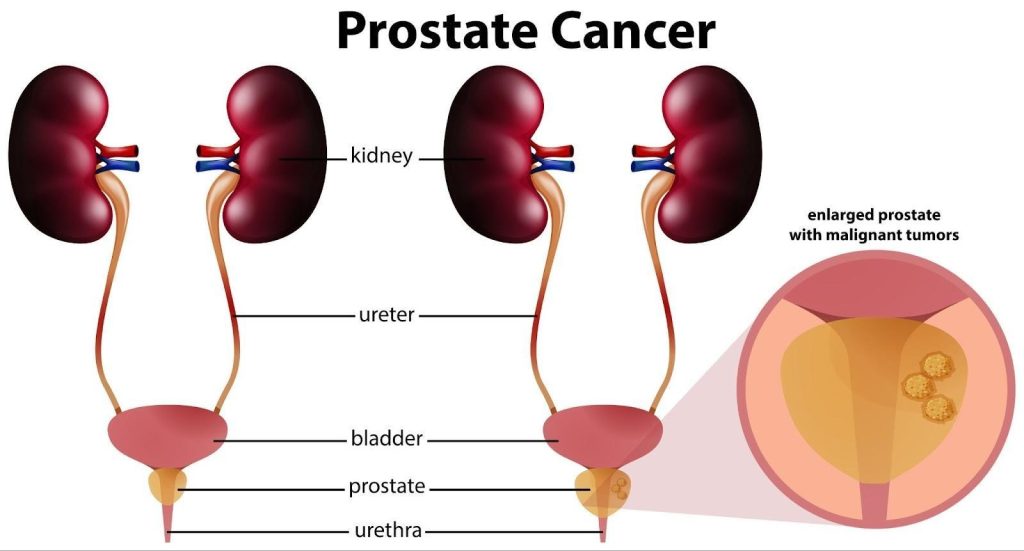
Androgen-deprivation therapy affects the entire body rather than a single organ system. While the treatment is directed at controlling prostate cancer, lowering testosterone influences bone turnover, muscle maintenance, metabolic regulation, cardiovascular health and energy balance. These changes do not usually appear all at once. Instead, they tend to develop gradually over months or years, particularly in men receiving long-term ADT.
Because many of these effects are well-recognised and follow predictable patterns, they can be monitored through regular clinical review and targeted investigations. Early identification allows timely adjustments in care, helping to reduce cumulative health risks and maintain physical function. A proactive approach to mitigation supports long-term well-being and preserves quality of life while cancer treatment continues.
Mitigation and monitoring during androgen-deprivation therapy are structured processes aimed at identifying gradual physiological changes and supporting long-term endocrine health. Care is typically tailored to individual risk factors, treatment duration and baseline health status, with regular reviews used to track trends over time.
Bone health monitoring focuses on evaluating bone mineral density and identifying individuals at higher risk of treatment-related bone loss. Baseline assessment helps establish fracture risk, while follow-up evaluations allow changes in bone density to be tracked during therapy. Ongoing monitoring supports timely intervention if bone health continues to decline over the course of ADT.
Metabolic assessment during ADT includes monitoring how the body regulates glucose and fats. Regular evaluation of blood glucose levels and lipid profiles helps detect changes associated with insulin resistance or altered cholesterol metabolism. Weight and body composition trends are also reviewed to identify increases in fat mass or shifts that may affect long-term metabolic health.
Cardiovascular monitoring involves regular assessment of blood pressure and key cardiometabolic markers that may change during hormone suppression. These measures help identify emerging cardiovascular risks over time. Where needed, care may be coordinated with cardiology or primary care to ensure comprehensive risk management during ongoing treatment.
Monitoring muscle mass and physical function aims to identify early signs of muscle loss related to reduced androgen levels. Changes in strength, mobility or exercise tolerance are assessed to understand their impact on daily activities. Supporting physical resilience helps maintain independence and overall function during long-term therapy.
Fatigue management focuses on identifying potential endocrine contributors to persistent tiredness and reduced stamina during ADT. Regular review of energy levels and daily functioning helps determine how well individuals are tolerating treatment. Addressing these factors supports ongoing participation in daily activities and overall treatment tolerance.
An endocrinologist can provide focused hormonal and metabolic support when androgen-deprivation therapy begins to affect other systems in the body. Their involvement is particularly valuable in the following situations:
Supporting long-term health during prostate cancer treatment involves looking beyond short-term disease control and focusing on sustainability over time. Androgen-deprivation therapy is often used for months or years, making it important to consider how ongoing hormonal suppression may affect daily function, physical resilience and overall well-being.
Attention to quality of life remains central throughout treatment. Monitoring metabolic, skeletal, and physical changes helps preserve independence, energy levels and comfort as therapy continues. Maintaining bone strength and metabolic stability supports long-term health and reduces the risk of treatment-related complications.
ADT should be viewed as part of a broader cancer care journey rather than a standalone therapy. Coordinated monitoring and supportive care allow hormone treatment to sit within a balanced approach that addresses both cancer control and long-term physiological health.
Androgen-deprivation therapy is effective in managing prostate cancer but affects multiple body systems over time, including bone health, metabolism, muscle mass, cardiovascular risk and energy levels. Many of these changes develop gradually and can be monitored and managed with structured, long-term care. An endocrinologist plays a supporting role in this process, working alongside your treating team to track hormonal and metabolic changes and help maintain your overall health throughout treatment.
If you are preparing for or currently undergoing androgen-deprivation therapy, schedule a consultation with The Metabolic Clinic to discuss a personalised monitoring and care plan.
Yes. A combination of medical treatments, exercise, nutrition and regular monitoring can significantly lessen many of the physical and emotional effects of reduced testosterone.
Side effects usually develop gradually and may continue while testosterone levels remain low. Mitigation strategies help control these changes throughout treatment.
Most men benefit from bone health monitoring because ADT increases fracture risk. Supplements, medication and weight-bearing exercise may be recommended depending on bone density results.
Yes. Strength training and cardiovascular exercise help maintain muscle mass, improve stamina, support metabolic health and reduce fatigue during ADT.
Some men recover sexual function when testosterone begins to rise after treatment pauses or ends. Medical treatments can also support erectile function during ADT.
Many men experience increased abdominal fat due to hormonal shifts. Targeted nutrition, physical activity and early monitoring help manage weight changes.
Yes. Mood changes such as irritability or low motivation can be managed with counselling, lifestyle adjustments or medication when needed.
Regular reviews every few months are recommended to check testosterone levels, PSA, bone density and metabolic health, allowing early intervention when changes appear.
A balanced diet rich in calcium, vitamin D, protein and heart-healthy nutrients supports bone and metabolic health. Reducing alcohol and processed foods also helps.
Some men may experience changes in cholesterol, blood pressure or glucose levels. Regular monitoring and lifestyle changes help protect heart health.
Yes. Fatigue is one of the most common symptoms of low testosterone. Exercise, good sleep habits and metabolic monitoring can help improve energy levels.
Referral is recommended for anyone on ADT especially if there are severe symptoms, rapid bone loss, new cardiovascular risk factors or difficulty tolerating ADT. Joint care with oncologists, endocrinologists and cardiologists may be needed.
Yes. Effective mitigation helps preserve bone density, muscle mass, heart health and emotional well-being, improving overall tolerance of long-term prostate cancer therapy.

MBBS (Hons), FRACP (Australia)
Dr. Dinesh lulus dengan predikat terpuji dari Monash University, Melbourne, pada 2009, dan menerima penghargaan Prince Henry's Prize in Surgery. Selama pelatihan endokrinologi di Melbourne, Dr. Dinesh memenangkan penghargaan registrar terbaik di Endocrine Society of Australia Clinical Weekend pada 2016, yang kemudian diikuti dengan keberhasilan beliau mendapatkan satu-satunya beasiswa fellowship Andrologi di Australia pada 2017. Sekembalinya ke Singapura, beliau menjabat sebagai pimpinan subspesialisasi untuk layanan adrenal, pituitari, dan tulang di Khoo Teck Puat Hospital serta mendirikan The Metabolic Clinic.
Sebagai pendidik yang berdedikasi, Dr. Dinesh menjabat sebagai Associate Programme Director untuk Endokrinologi di NHG, melatih calon-calon endokrinolog generasi berikutnya, dan menerima penghargaan NHG Teaching Award for Senior Doctors pada 2023. Sebagai seorang endokrinolog dengan kemahiran dalam bidang endokrinologi umum maupun subspesialisasi, beliau memiliki minat dalam bidang longevity (umur panjang) melalui peningkatan risiko kardiovaskular, metabolisme, kesehatan tulang, dan pencegahan penyusutan otot, yang bertujuan meningkatkan jumlah tahun hidup sehat seseorang.


Jika Anda merasa “tidak seperti biasanya” meskipun hasil tes normal, mengalami perubahan berat badan, kelelahan, atau gejala yang tidak dapat dijelaskan—saatnya untuk melihat lebih dalam.
Dapatkan kejelasan dan rencana yang disesuaikan dengan kondisi hormon dan kesehatan metabolik unik Anda.


Senin - Jumat
8:30 am to 5:30 pm
Sabtu
8:30 am – 12:30 pm
Minggu dan Libur Nasional: TUTUP

© 2026 The Metabolic Clinic. All Rights Reserved.