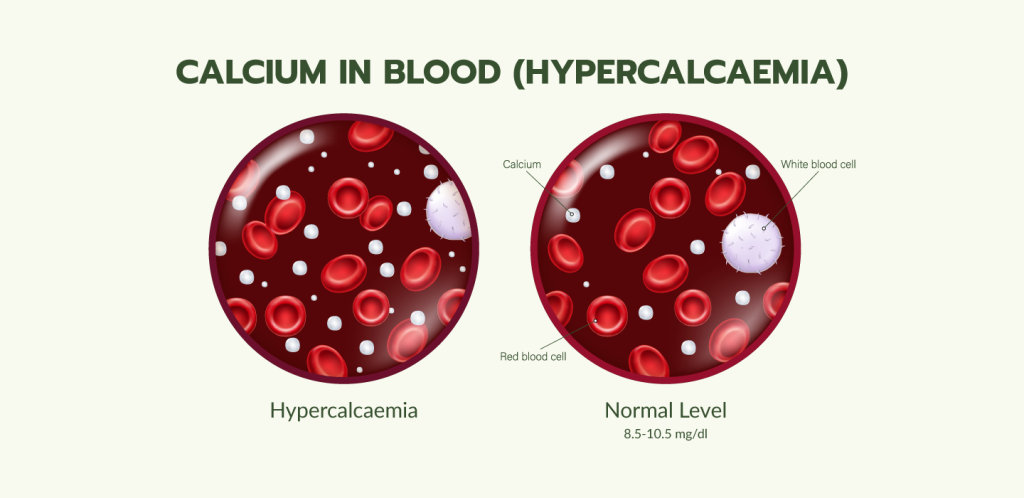
Hypercalcaemia is a medical condition in which the level of calcium in the blood is higher than normal. Calcium is vital for many functions in the body, including maintaining strong bones and teeth, supporting muscle contraction, transmitting nerve signals and regulating heart rhythm.
In healthy individuals, calcium levels in the blood are carefully controlled within a narrow range by the parathyroid glands through the kidneys, intestines and vitamin D. When this balance is disrupted, calcium can build up in the bloodstream, leading to hypercalcaemia.
The condition may be mild and temporary or more severe and persistent, depending on the underlying cause. Because calcium affects many organs and systems, maintaining normal blood calcium levels is essential for overall health.
Hypercalcaemia is considered a hormone-related problem because blood calcium levels are normally kept within a very narrow range by endocrine control, primarily through parathyroid hormone (PTH) and vitamin D (calcitriol).
Excessive secretion of PTH, as seen in primary hyperparathyroidism, is the most common cause of hypercalcaemia, as it drives increased calcium release from bone, enhanced kidney calcium retention and greater intestinal absorption via vitamin D activation. Similarly, conditions causing excess vitamin D (such as excessive supplementation, granulomatous disease, or malignancy producing calcitriol) can lead to raised calcium levels. Some cancers also produce PTH-related peptide (PTHrP), which mimics the effects of PTH.
Because these mechanisms involve abnormal hormonal activity rather than simple dietary intake of calcium, hypercalcaemia is fundamentally linked to disturbances in hormonal regulation, most commonly due to abnormal levels of parathyroid hormone.
Hypercalcaemia develops when the body’s natural control of calcium is disrupted, leading to excess calcium circulating in the blood. The most common and less common causes include:
The exact cause of hypercalcaemia must be identified, as treatment depends on correcting the underlying problem.
Calcium levels in the blood are normally kept within a narrow range, as both excess and deficiency can disrupt vital body functions. Hypercalcaemia refers to abnormally high levels of calcium in the blood, whereas hypocalcaemia describes abnormally low levels.
Although they affect the same mineral, the two conditions differ significantly in their underlying causes, clinical features and potential complications.
| Feature | Hypercalcaemia (high calcium) | Hypocalcaemia (low calcium) |
| Definition | Blood calcium levels are above normal | Blood calcium levels are below normal |
| Common causes | Overactive parathyroid glands (primary hyperparathyroidism), cancers, excess vitamin D or calcium, certain medications (e.g. thiazides, lithium) | Vitamin D deficiency, chronic kidney disease, underactive parathyroid glands (hypoparathyroidism), certain medications (e.g. bisphosphonates) |
| Key symptoms | Thirst and frequent urination, constipation, abdominal pain, nausea, bone pain, confusion, irregular heartbeat | Tingling or numbness in fingers and lips, muscle cramps or spasms, fatigue, seizures in severe cases |
| Main risks | Kidney stones, osteoporosis, kidney failure, cardiac arrhythmias, coma | Muscle spasms affecting breathing, seizures, abnormal heart rhythms |
| Treatment focus | Lowering calcium levels with fluids, medicines, or surgery and addressing the underlying cause | Replacing calcium and vitamin D and treating the underlying cause |
The symptoms of hypercalcaemia vary depending on how high the blood calcium levels are and how quickly they rise. Mild cases may cause no obvious signs, while more severe cases can affect multiple organs and body systems.
Because symptoms can be vague and overlap with other conditions, blood tests are essential for confirming hypercalcaemia.
Hypercalcaemia can affect anyone, but certain groups of people are more likely to develop the condition:
Identifying those at higher risk allows for earlier detection and management, preventing serious complications.
If left untreated, hypercalcaemia can lead to serious health problems, as persistently high calcium levels place stress on multiple organs and systems.
Because of these risks, hypercalcaemia should always be investigated and managed promptly.
Hypercalcaemia is usually suspected when patients present with symptoms such as fatigue, thirst, or abdominal discomfort, but it is often first detected through a routine blood test. Diagnosis involves confirming high calcium levels and identifying the underlying cause.
Accurate diagnosis is crucial, as treatment needs to target the specific cause of hypercalcaemia rather than just lowering calcium levels temporarily.
Treatment of hypercalcaemia depends on how high the calcium level is, how quickly it developed and what is causing it. Mild cases without symptoms may only need monitoring, while more severe cases require urgent hospital care.
With prompt treatment, calcium levels can usually be brought under control. Ongoing care may involve regular monitoring and lifestyle adjustments to prevent recurrence.
Hypercalcaemia, or high calcium levels in the blood, is a condition that can range from mild and symptom-free to severe and life-threatening. It is most often caused by overactive parathyroid glands or certain cancers, but can also result from medications, vitamin D or calcium excess or other medical conditions. Symptoms may include fatigue, thirst, frequent urination, nausea, constipation, confusion and, in severe cases, kidney failure or heart rhythm disturbances.
If you have concerns about high calcium levels, schedule a consultation with us at The Metabolic Clinic for detailed assessment, personalised treatment and ongoing care to help you restore balance and protect your long-term health.
While diet alone rarely causes hypercalcaemia, excessive use of calcium or vitamin D supplements can worsen the condition. Medical advice is essential before taking supplements.
Yes. Hypercalcaemia can recur if the underlying cause, such as parathyroid disease or cancer, is not fully treated. Ongoing monitoring is often needed.
Yes. Persistently high calcium levels can lead to kidney stones, which may cause flank pain, urinary problems or infections.
Not always. Mild cases may be monitored as an outpatient, but moderate to severe hypercalcaemia usually requires hospital care for IV fluids and medicines.
Yes. Severe cases may cause irregular heart rhythms, which can be dangerous if not managed promptly.
Yes. It is most often seen in older adults, particularly postmenopausal women, due to primary hyperparathyroidism or cancer.
In some cases, yes. Managing underlying conditions, avoiding unnecessary calcium or vitamin D supplements and regular health check-ups can reduce the risk.
Depending on the cause of hypercalcaemia, it may be best to limit foods and supplements high in calcium, such as dairy products, fortified foods and calcium tablets, unless advised otherwise by your doctor. You should also avoid excessive vitamin D supplements, as these increase calcium absorption.

MBBS (Hons), FRACP (Australia)
Dr. Dinesh lulus dengan predikat terpuji dari Monash University, Melbourne, pada 2009, dan menerima penghargaan Prince Henry's Prize in Surgery. Selama pelatihan endokrinologi di Melbourne, Dr. Dinesh memenangkan penghargaan registrar terbaik di Endocrine Society of Australia Clinical Weekend pada 2016, yang kemudian diikuti dengan keberhasilan beliau mendapatkan satu-satunya beasiswa fellowship Andrologi di Australia pada 2017. Sekembalinya ke Singapura, beliau menjabat sebagai pimpinan subspesialisasi untuk layanan adrenal, pituitari, dan tulang di Khoo Teck Puat Hospital serta mendirikan The Metabolic Clinic.
Sebagai pendidik yang berdedikasi, Dr. Dinesh menjabat sebagai Associate Programme Director untuk Endokrinologi di NHG, melatih calon-calon endokrinolog generasi berikutnya, dan menerima penghargaan NHG Teaching Award for Senior Doctors pada 2023. Sebagai seorang endokrinolog dengan kemahiran dalam bidang endokrinologi umum maupun subspesialisasi, beliau memiliki minat dalam bidang longevity (umur panjang) melalui peningkatan risiko kardiovaskular, metabolisme, kesehatan tulang, dan pencegahan penyusutan otot, yang bertujuan meningkatkan jumlah tahun hidup sehat seseorang.


Jika Anda merasa “tidak seperti biasanya” meskipun hasil tes normal, mengalami perubahan berat badan, kelelahan, atau gejala yang tidak dapat dijelaskan—saatnya untuk melihat lebih dalam.
Dapatkan kejelasan dan rencana yang disesuaikan dengan kondisi hormon dan kesehatan metabolik unik Anda.


Senin - Jumat
8:30 am to 5:30 pm
Sabtu
8:30 am – 12:30 pm
Minggu dan Libur Nasional: TUTUP

© 2026 The Metabolic Clinic. All Rights Reserved.