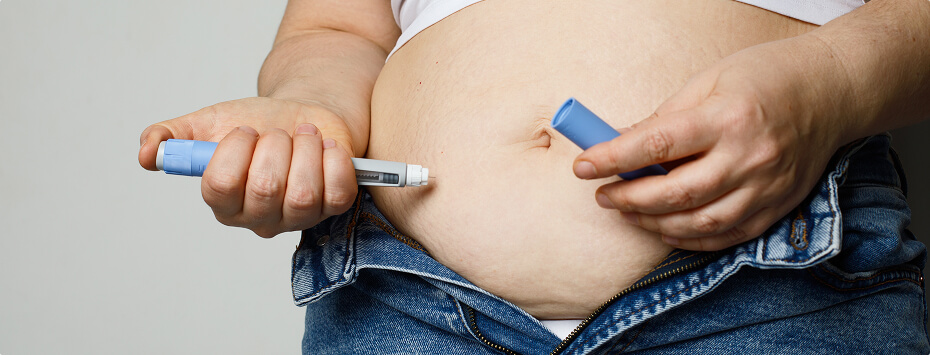
Polycystic Ovary Syndrome (PCOS) is a hormonal condition that affects ovarian function and disrupts the normal pattern of ovulation. It is commonly associated with irregular or absent periods, excess androgen levels, and the appearance of multiple small follicles on the ovaries. Over time, these hormonal imbalances can lead to subfertility, acne, unwanted hair growth, and metabolic complications such as insulin resistance.
The treatment of PCOS depends on the specific symptoms and health priorities of the patient. For women with irregular periods, the focus is on restoring a regular menstrual cycle. For those trying to conceive, ovulation support becomes a central goal. Where acne or other androgen-related symptoms are prominent, treatment targets excess hormone production and its effects on the skin. In all cases, improving insulin sensitivity and reducing long-term risks is a key part of management.
There is no single approach that works for everyone. Treatment often includes a combination of hormonal medications, ovulation-inducing agents, insulin-sensitising drugs, lifestyle changes, and nutritional support.
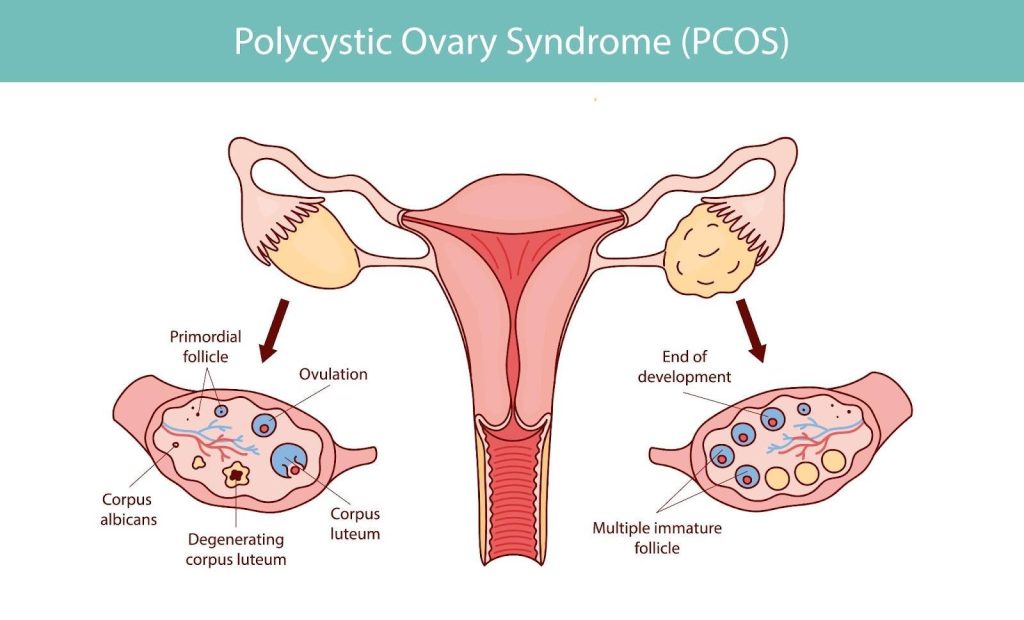
The treatment for PCOS is tailored to your specific symptoms and personal health goals. Some women seek help for irregular or absent periods, while others are focused on improving fertility, treating acne, or managing long-term metabolic risks. The most effective approach is usually a combination of medical therapy, lifestyle changes, and targeted support to regulate hormones, restore ovulation, and improve overall health.
Here are the main treatment options used in managing PCOS:
| Treatment Option | What It Does | When It's Used | What It Includes |
| Hormonal Therapy | Regulates periods, reduces androgens, improves acne and hair growth | For those not trying to conceive; helps manage menstrual irregularity and skin issues | Combined oral contraceptives (COCPs), progestin-only pills |
| Ovulation Induction | Stimulates ovulation to support pregnancy | For women trying to conceive | Letrozole (first-line), clomiphene citrate, gonadotropins |
| Insulin-Sensitising Agents | Improves the body’s response to insulin, supports cycle regulation | In cases with insulin resistance or irregular cycles | Metformin, sometimes used alongside ovulation-inducing drugs |
| Lifestyle Modification | Supports weight management, hormonal balance, and metabolic health | Recommended for all PCOS patients | Individualised diet plans, regular physical activity, sleep and stress support |
| Anti-Androgens | Lowers androgen levels, improves symptoms like acne and hirsutism | When excess hair growth or acne is a concern | Spironolactone (not suitable if trying to conceive) |
| Dermatological Treatment | Targets acne and skin symptoms directly | For persistent acne despite hormonal regulation | Topical retinoids, benzoyl peroxide, antibiotics, or dermatology referral |
Irregular or missed periods are one of the most common symptoms of PCOS, usually caused by disrupted or absent ovulation. This hormonal imbalance can lead to long cycles, skipped periods, or unpredictable bleeding. In addition to affecting fertility, prolonged cycle irregularity may increase the risk of endometrial thickening or abnormal uterine bleeding. The aim of treatment is to either restore regular ovulation or induce regular menstrual bleeding to protect the uterus and improve overall hormonal rhythm. Here are the common treatment options used:
Acne in PCOS is primarily driven by elevated androgen levels, which increase oil production in the skin and lead to blocked pores and inflammation. This type of acne often appears along the jawline, chin, and lower cheeks, and tends to persist despite over-the-counter skincare.
Effective treatment focuses on reducing androgen levels, improving skin turnover, and addressing any underlying hormonal or metabolic imbalances contributing to breakouts.
PCOS is one of the most common causes of anovulatory infertility. Although many women with PCOS face irregular ovulation or absent periods, most respond well to fertility treatment when it is appropriately planned. The goal is to support and monitor ovulation, improve egg quality, and time conception accurately.
At The Metabolic Clinic, treatment options range from oral medications to recommending assisted reproductive techniques, depending on individual response and reproductive goals.
Lifestyle and dietary changes are central to managing PCOS, especially in women with insulin resistance or weight-related concerns. Even in women with lean PCOS, nutrition and physical activity play a vital role in supporting hormonal balance, regulating ovulation, and improving skin and metabolic health. These changes are often the foundation upon which medical treatments are built, and in many cases, they improve treatment response and reduce long-term health risks.
These changes are not meant as a quick fix, but as long-term habits that improve symptoms, support hormonal function, and reduce the risk of conditions like type 2 diabetes and cardiovascular disease.
Your first visit is focused on understanding your symptoms, health goals, and underlying hormonal patterns in detail. PCOS affects each woman differently, so this consultation is key to creating a treatment plan that is tailored to your needs, whether you are looking to regulate your cycle, improve fertility, manage acne, or address long-term metabolic risks.
Your first consultation is not just about diagnosis, it’s about building a roadmap for managing your PCOS with clarity and confidence.
Polycystic Ovary Syndrome (PCOS) presents differently in every woman, which is why treatment must be carefully tailored to your symptoms, goals, and underlying hormonal patterns. Whether you are struggling with irregular periods, trying to conceive, or dealing with acne that hasn’t responded to standard care, there are effective, medically guided options to help you regain control.
At The Metabolic Clinic, we combine hormonal therapy, ovulation support, insulin-sensitising treatment, nutrition, and lifestyle planning to address PCOS in a structured and targeted way. Our approach is not about managing symptoms in isolation, but about restoring hormonal balance, supporting long-term health, and helping you feel better in your body. If you are ready to take the next step in managing your PCOS, schedule a consultation with us to begin a personalised treatment plan that works for you.
The time frame varies; some women notice improvements in menstrual regularity or acne within a few weeks, while others may take several months, especially when focusing on fertility.
Not necessarily. Treatment plans are individualised; some may require long-term medication, while others might manage symptoms through lifestyle adjustments alone.
Yes, many women with PCOS conceive successfully with treatments like ovulation induction, lifestyle modifications, or assisted reproductive technologies.
For overweight individuals, even a modest weight loss of 5–10% can significantly improve symptoms. However, lean women with PCOS also benefit from balanced nutrition and regular exercise.
Yes, PCOS is associated with higher risks of type 2 diabetes, cardiovascular disease, and endometrial cancer, especially if left unmanaged.
Regular follow-ups, typically every 3–6 months, are recommended to monitor symptoms, adjust treatments, and manage any associated health risks.
No, using birth control pills to manage PCOS symptoms does not negatively impact long-term fertility. Fertility typically returns upon discontinuation.
Yes, symptoms may recur if treatment is halted. Ongoing management through lifestyle and medical interventions is often necessary to maintain symptom control.

MBBS (Hons), FRACP (Australia)
Dr. Dinesh lulus dengan predikat terpuji dari Monash University, Melbourne, pada 2009, dan menerima penghargaan Prince Henry's Prize in Surgery. Selama pelatihan endokrinologi di Melbourne, Dr. Dinesh memenangkan penghargaan registrar terbaik di Endocrine Society of Australia Clinical Weekend pada 2016, yang kemudian diikuti dengan keberhasilan beliau mendapatkan satu-satunya beasiswa fellowship Andrologi di Australia pada 2017. Sekembalinya ke Singapura, beliau menjabat sebagai pimpinan subspesialisasi untuk layanan adrenal, pituitari, dan tulang di Khoo Teck Puat Hospital serta mendirikan The Metabolic Clinic.
Sebagai pendidik yang berdedikasi, Dr. Dinesh menjabat sebagai Associate Programme Director untuk Endokrinologi di NHG, melatih calon-calon endokrinolog generasi berikutnya, dan menerima penghargaan NHG Teaching Award for Senior Doctors pada 2023. Sebagai seorang endokrinolog dengan kemahiran dalam bidang endokrinologi umum maupun subspesialisasi, beliau memiliki minat dalam bidang longevity (umur panjang) melalui peningkatan risiko kardiovaskular, metabolisme, kesehatan tulang, dan pencegahan penyusutan otot, yang bertujuan meningkatkan jumlah tahun hidup sehat seseorang.


Jika Anda merasa “tidak seperti biasanya” meskipun hasil tes normal, mengalami perubahan berat badan, kelelahan, atau gejala yang tidak dapat dijelaskan—saatnya untuk melihat lebih dalam.
Dapatkan kejelasan dan rencana yang disesuaikan dengan kondisi hormon dan kesehatan metabolik unik Anda.


Senin - Jumat
8:30 am to 5:30 pm
Sabtu
8:30 am – 12:30 pm
Minggu dan Libur Nasional: TUTUP

© 2026 The Metabolic Clinic. All Rights Reserved.