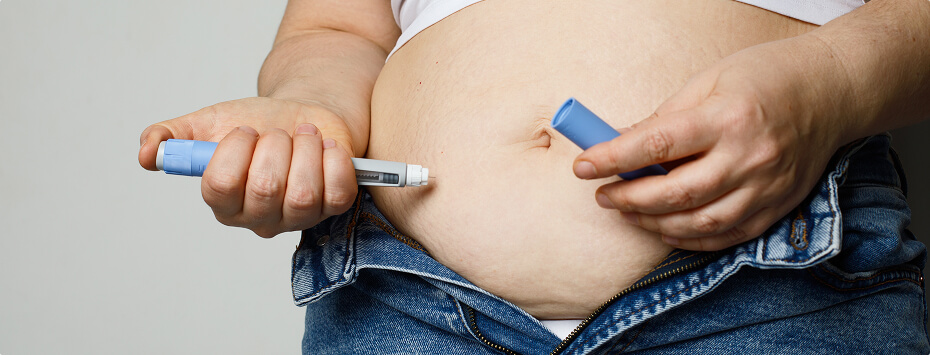
Insulin therapy is a vital part of diabetes management for people whose bodies cannot produce enough insulin or use it effectively. It replaces or supplements the body’s natural insulin, helping to regulate blood sugar levels, prevent dangerous fluctuations and protect against long-term complications of diabetes. For many individuals, especially those with type 1 diabetes, insulin therapy is essential to life, without which a diabetes emergency called DKA (Diabetic ketoacidosis) can occur that can be life-threatening.
In those with Type 2 diabetes, it is a last resort but essential in those with severe Type 2 diabetes, unresponsive to other medications.
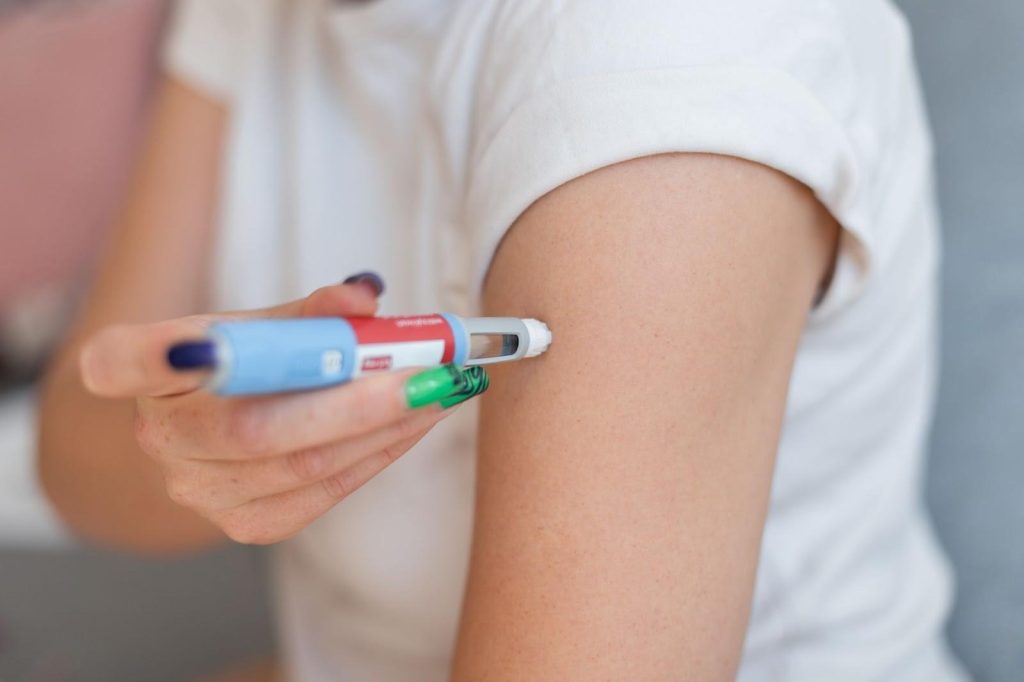
Traditionally, insulin has been delivered through injections using syringes or pens, with different insulin types tailored to match the body’s needs throughout the day. While these methods remain highly effective, some people find injections challenging or struggle to achieve stable control of blood sugar.
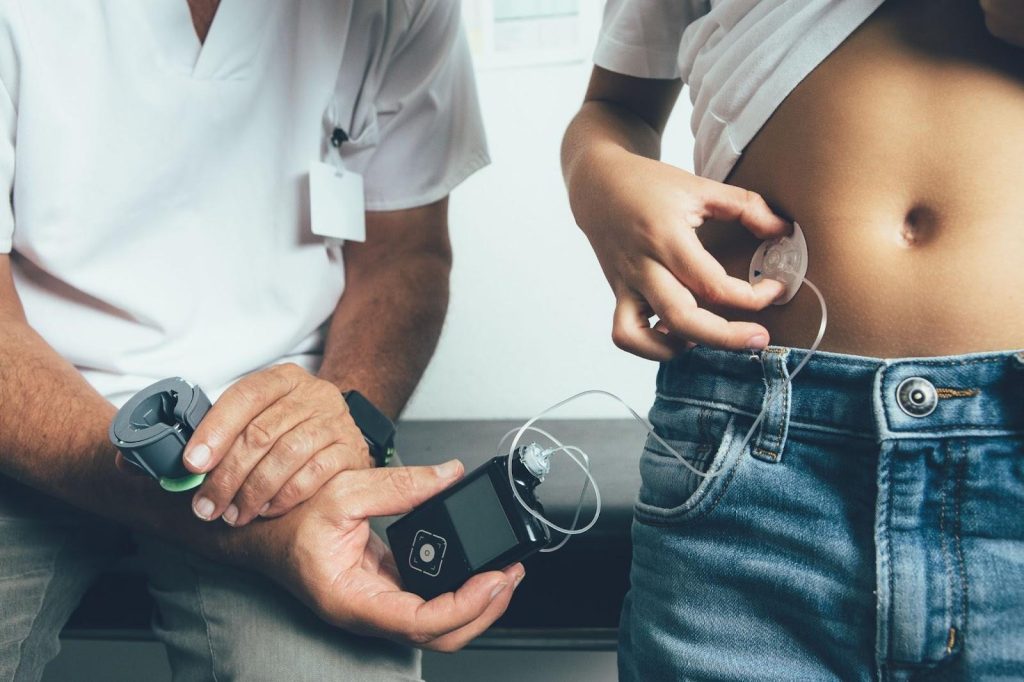
Insulin pumps provide an effective and efficient alternative. These small, wearable devices deliver a steady supply of insulin under the skin and can be programmed to match a person’s lifestyle, meals and activity levels more precisely. For many patients, pump therapy offers greater flexibility, fewer injections and improved confidence in managing diabetes.
Whether through injections or pump therapy, the goal is the same: safe and effective control of blood sugar, allowing people with diabetes to live full and active lives.
Insulin therapy is a common treatment method for people with type 1 diabetes and is sometimes required for those with type 2 diabetes when other treatments no longer provide sufficient control due to failure of the pancreas to produce sufficient insulin. It replaces or supplements the body’s natural insulin, which is essential for moving glucose from the bloodstream into the cells for energy. Without enough insulin, blood sugar levels remain high, increasing the risk of both short-term emergencies and long-term complications affecting the eyes, kidneys, nerves and heart.
Insulin lowers blood glucose by helping cells absorb and use sugar for energy or storage. In diabetes, either the body does not make insulin at all (type 1) or it cannot use it effectively (type 2), making replacement therapy vital.
Treatment can be tailored using different preparations, depending on how quickly they act and how long they last:
Delivery methods — insulin is most often given through injections using syringes or insulin pens, which allow precise dosing. The number of injections per day depends on the treatment plan, which may combine different insulin types.
Treatment goals — the aim of insulin therapy is to keep blood sugar within the target range, minimising the risk of hypoglycaemia (low blood sugar) and preventing long-term complications. With the right regimen and support, insulin therapy allows people with diabetes to live healthy and active lives.
Insulin pump therapy is an advanced method of delivering insulin that provides more flexibility and precision than traditional injections. A small, computerised device worn on the body delivers insulin continuously through a tiny cannula placed under the skin, closely mimicking the way a healthy pancreas releases insulin.
Insulin pump therapy is not suitable for everyone (the patient will need to learn to estimate carbohydrates in a meal), but with proper training and support, it can be a powerful tool in managing diabetes more effectively and with greater confidence.
Insulin therapy is essential for all people with type 1 diabetes, as their bodies cannot produce insulin at all. It is also sometimes required in type 2 diabetes, especially when blood sugar remains uncontrolled despite lifestyle changes and oral medicines/ GLP-1 agonists (injectible), or during times of illness, surgery, or pregnancy.
Choosing between injections and a pump depends on medical needs, lifestyle, personal preference and access to training and support. Both methods aim to achieve the same goal: safe and effective blood sugar control.
Both insulin injections and insulin pumps are effective ways of managing diabetes and each offers distinct benefits. The choice depends on individual needs, preferences and medical circumstances.
Both methods, when managed well, can achieve excellent blood sugar control and protect against complications but as mentioned earlier, insulin is a last resort in Type 2 diabetes because of the risks elaborated below, whereas it is life-saving in Type 1 diabetes and is necessary.
Like all treatments, insulin therapy and pump use can have side effects or challenges. Most risks can be managed with education, monitoring and regular follow-up.
While these risks are important to understand, with proper education, monitoring and support from a diabetes care team, both insulin injections and pumps can be used safely and effectively.
Insulin therapy remains the foundation of diabetes management, whether delivered through traditional injections or with the support of modern pump technology. Both approaches are highly effective in keeping blood sugar within safe ranges, preventing complications and supporting long-term health. For some, insulin injections offer a simple and reliable option; for others, pump therapy provides greater flexibility, convenience and precision. With personalised guidance, patients can find the method that best fits their lifestyle and medical needs.
If you are considering insulin therapy or exploring whether an insulin pump is right for you, schedule a consultation with The Metabolic Clinic for medical guidance, comprehensive training and ongoing support in achieving safe and confident diabetes control.
This varies by treatment plan. Some people need just one or two injections daily, while others require multiple injections to mimic the body’s natural insulin release.
Many patients prefer pens because they are discreet, portable and allow more precise dosing. Both methods are effective and the choice depends on personal preference and medical advice. At the Metabolic Clinic, we favour the convenience of pens.
Weight gain is possible, particularly when blood sugar control improves. A portion-controlled diet and regular physical activity can help manage this.
Most people find that insulin injections are not very painful, especially when using fine needles or pens. Rotating injection sites helps reduce discomfort and skin changes.
Pumps can provide more stable blood sugar control and greater flexibility, but they are not suitable for everyone due to cost. Some people achieve excellent results with injections.
The infusion set (cannula and tubing) is usually changed every two to three days. The insulin reservoir is refilled as needed. The pump itself lasts years.
Yes. Pumps are often recommended for children and adolescents, as they reduce the number of daily injections and allow more flexible dosing for growth and activity.
If the pump fails or is disconnected, blood sugar can rise quickly. Patients are trained to keep backup insulin and supplies for injections in case of emergency.
Yes. Pump settings can be adjusted to reduce insulin delivery during exercise, helping to prevent hypoglycaemia. The device can be worn securely during most activities.
Yes. Pumps are often used during pregnancy to help maintain tight blood sugar control, which is important for both mother and baby.
Yes. Regular monitoring is still necessary. Many pumps can link with continuous glucose monitoring (CGM), but finger-stick checks are often still required.
Costs vary depending on the pump model, consumables and insurance coverage. Your doctor can provide guidance on expected expenses and funding options.
Many modern pumps are water-resistant, but most need to be disconnected before swimming or bathing. Patch pumps may have different features.
People with type 1 diabetes need insulin permanently. In type 2 diabetes, insulin may be temporary or long-term, depending on how the condition progresses or if insulin resistance can be improved via weight loss/ GLP-1 therapy.

MBBS (Hons), FRACP (Australia)
Dr. Dinesh lulus dengan predikat terpuji dari Monash University, Melbourne, pada 2009, dan menerima penghargaan Prince Henry's Prize in Surgery. Selama pelatihan endokrinologi di Melbourne, Dr. Dinesh memenangkan penghargaan registrar terbaik di Endocrine Society of Australia Clinical Weekend pada 2016, yang kemudian diikuti dengan keberhasilan beliau mendapatkan satu-satunya beasiswa fellowship Andrologi di Australia pada 2017. Sekembalinya ke Singapura, beliau menjabat sebagai pimpinan subspesialisasi untuk layanan adrenal, pituitari, dan tulang di Khoo Teck Puat Hospital serta mendirikan The Metabolic Clinic.
Sebagai pendidik yang berdedikasi, Dr. Dinesh menjabat sebagai Associate Programme Director untuk Endokrinologi di NHG, melatih calon-calon endokrinolog generasi berikutnya, dan menerima penghargaan NHG Teaching Award for Senior Doctors pada 2023. Sebagai seorang endokrinolog dengan kemahiran dalam bidang endokrinologi umum maupun subspesialisasi, beliau memiliki minat dalam bidang longevity (umur panjang) melalui peningkatan risiko kardiovaskular, metabolisme, kesehatan tulang, dan pencegahan penyusutan otot, yang bertujuan meningkatkan jumlah tahun hidup sehat seseorang.


Jika Anda merasa “tidak seperti biasanya” meskipun hasil tes normal, mengalami perubahan berat badan, kelelahan, atau gejala yang tidak dapat dijelaskan—saatnya untuk melihat lebih dalam.
Dapatkan kejelasan dan rencana yang disesuaikan dengan kondisi hormon dan kesehatan metabolik unik Anda.


Senin - Jumat
8:30 am to 5:30 pm
Sabtu
8:30 am – 12:30 pm
Minggu dan Libur Nasional: TUTUP

© 2026 The Metabolic Clinic. All Rights Reserved.