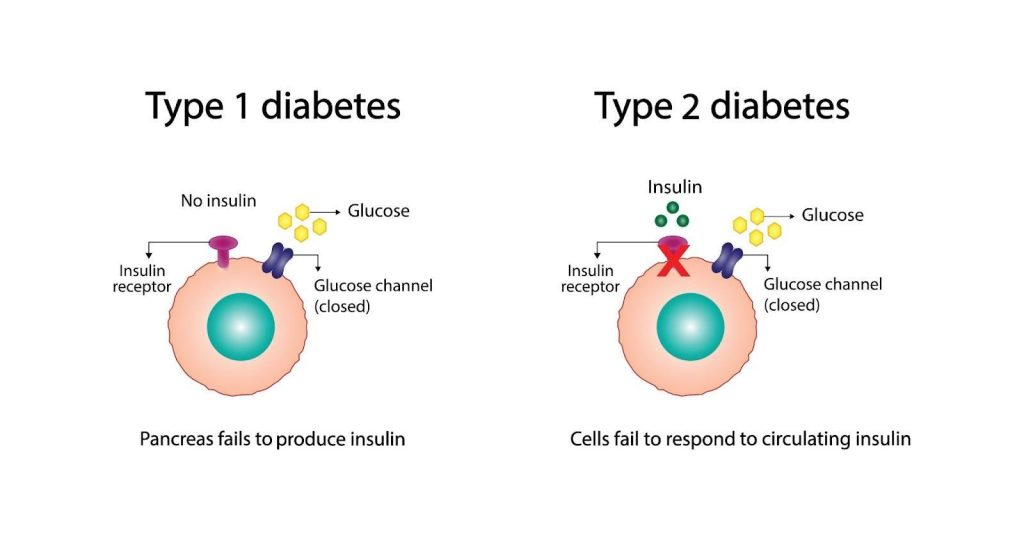
Diabetes is a long-term condition that affects the body’s ability to regulate blood glucose (sugar) levels. It occurs when the pancreas does not produce enough insulin or when the body becomes resistant to insulin’s effects. Over time, this imbalance can lead to persistently high blood sugar, which can cause serious damage to various organs and systems if left untreated.
Effective diabetes management is not just about lowering blood sugar levels — it is about preventing complications through advances in therapy, maintaining energy levels without low blood sugar episodes, supporting mental well-being, and preserving quality of life. When diabetes is poorly controlled, individuals are at higher risk of developing heart disease, kidney failure, nerve damage, vision problems, and foot ulcers, among other health issues. These complications can significantly impair daily functioning and may lead to long-term disability or reduced life expectancy.
However, with timely intervention, the right medical support, and sustainable lifestyle changes, diabetes can be managed successfully.
Diabetes is not a single disease but a group of related conditions characterised by elevated blood glucose levels. Understanding the different types of diabetes is essential for appropriate management and treatment.
Diabetes often develops gradually, and in its early stages, it may not cause any noticeable symptoms. This can delay diagnosis and increase the risk of complications. Ideally, we should screen for diabetes regularly and pick it up at the pre-diabetes stage. Failing this recognising the early signs of diabetes is important for timely intervention and effective management.
These symptoms may be mild or easily attributed to other causes, which is why diabetes often goes undetected in its early stages. Regular health screenings and awareness of symptoms can help ensure timely diagnosis and effective treatment.

Consistently high blood sugar levels can silently cause damage to the body over time, even when symptoms are not obvious. Poorly managed diabetes can affect nearly every organ system in the body. Some of the most serious complications include:
Managing blood sugar is not just about avoiding complications, it’s about preserving quality of life and maintaining independence. With the right support and self-care strategies, individuals with diabetes can lead active, fulfilling lives.
Managing diabetes involves more than just taking medication — it requires a holistic, ongoing approach that combines medical treatment with lifestyle adjustments. The following are the key pillars of effective diabetes care:
Eating well is a cornerstone of diabetes management.
Regular exercise improves insulin sensitivity, supports weight management, and reduces cardiovascular risk.
The choice of medication depends on the type of diabetes, severity, age, and overall health status.
Medication plans are regularly reviewed and adjusted based on blood sugar patterns, lifestyle changes, and other medical conditions.
Routine monitoring helps individuals understand how their body responds to different foods, medications, and physical activity. Tracking blood glucose helps prevent complications and allows for timely adjustments in treatment.
Diabetes is a progressive condition that requires regular monitoring. Check-ups typically include HbA1c testing, kidney function assessments, blood pressure and cholesterol checks, as well as foot and eye examinations. These reviews help guide timely treatment adjustments to minimise risks and support long-term health.
Each of these components plays a vital role in achieving and maintaining blood sugar control, preventing complications, and enhancing quality of life.
Medical treatment is a key part of diabetes management and is tailored to each individual based on the type of diabetes, severity of the condition, presence of complications, and personal lifestyle factors. A well-chosen medication regimen helps to keep blood glucose levels within target ranges, prevent complications, and support overall health.
Oral antidiabetic drugs are commonly used in the treatment of type 2 diabetes. These medications work in different ways — some increase insulin sensitivity, others stimulate insulin release, and some slow down carbohydrate absorption.
Injectable medications are often used when oral treatments are insufficient or not suitable.
There is no one-size-fits-all treatment. The choice of medication depends on a number of factors, including age, weight, kidney function, baseline HbA1c/ severity, risk of hypoglycaemia, and co-existing health conditions such as cardiovascular disease or hypertension. For women who are pregnant or planning pregnancy, treatment plans are further adjusted to ensure the safety of both mother and baby.
Lifestyle changes are at the heart of successful diabetes management. While medication plays an important role, daily habits — particularly diet and physical activity — have a significant impact on blood glucose control, insulin sensitivity, and long-term health outcomes.
A well-balanced diet helps regulate blood sugar levels and provides the nutrients the body needs to function properly.
Understanding how different foods affect blood glucose is key.
Regular physical activity makes the body more responsive to insulin and supports overall glucose regulation.
Incorporating these lifestyle measures into daily routines can greatly enhance diabetes control and overall well-being.
Early diabetes is curable but for most diabetes is a lifelong condition, and effective long-term management requires more than just day-to-day blood sugar control. Regular monitoring, routine check-ups, and early intervention are essential to prevent complications and maintain overall health. Metabolic disease is a moving target and a specialist will be able to guide you through changes and continuously aim to optimise your condition.
Routine examinations help detect potential complications early, even before symptoms appear:
The HbA1c test provides an average of blood glucose levels over the past two to three months. Keeping this value within target range helps lower the risk of long-term complications. Most individuals with diabetes are advised to check their HbA1c at least twice a year, or more frequently if treatment changes are being made.
People with diabetes are at greater risk of heart disease and stroke. Regular checks of blood pressure and cholesterol levels help identify and manage cardiovascular risk factors, which is a crucial part of comprehensive diabetes care. Management of blood pressure and cholesterol goes hand in hand with diabetes control.
Recognising early signs of both conditions and knowing how to respond is essential for safe self-management.
At The Metabolic Clinic, our ongoing reviews and follow-ups help patients stay on track with their health goals and make informed adjustments as needed.
Diabetes is a lifelong condition that requires consistent care, informed decision-making, and a comprehensive approach to health. Understanding the different types of diabetes, recognising early symptoms, and managing blood sugar levels through medication, lifestyle changes, and regular monitoring are essential steps in preventing complications and improving quality of life. From nutrition and physical activity to stress management and ongoing medical reviews, every element of diabetes care plays a role in supporting long-term wellbeing.
If you are looking for support in managing your diabetes, schedule a consultation with our clinical team for personalised care that supports your long-term health.
Stress can lead to the release of hormones like cortisol, which may increase blood glucose levels. Managing stress through techniques like mindfulness, exercise, and adequate sleep can help stabilise blood sugar.
Yes, regular physical activity is beneficial for managing diabetes. However, it's important to monitor blood sugar levels before and after exercise and to consult with a healthcare provider to create a safe exercise plan.
Diabetes can affect your energy levels, mood, sexual health and daily routine, especially if blood sugar is not well controlled. Over time, it may also increase the risk of complications that impact your heart, kidneys, nerves, and vision.
You can reduce your risk of developing type 2 diabetes by maintaining a healthy weight, staying physically active, and eating a balanced diet. Regular health screenings also help detect early signs like prediabetes for timely intervention.

MBBS (Hons), FRACP (Australia)
Dr. Dinesh lulus dengan predikat terpuji dari Monash University, Melbourne, pada 2009, dan menerima penghargaan Prince Henry's Prize in Surgery. Selama pelatihan endokrinologi di Melbourne, Dr. Dinesh memenangkan penghargaan registrar terbaik di Endocrine Society of Australia Clinical Weekend pada 2016, yang kemudian diikuti dengan keberhasilan beliau mendapatkan satu-satunya beasiswa fellowship Andrologi di Australia pada 2017. Sekembalinya ke Singapura, beliau menjabat sebagai pimpinan subspesialisasi untuk layanan adrenal, pituitari, dan tulang di Khoo Teck Puat Hospital serta mendirikan The Metabolic Clinic.
Sebagai pendidik yang berdedikasi, Dr. Dinesh menjabat sebagai Associate Programme Director untuk Endokrinologi di NHG, melatih calon-calon endokrinolog generasi berikutnya, dan menerima penghargaan NHG Teaching Award for Senior Doctors pada 2023. Sebagai seorang endokrinolog dengan kemahiran dalam bidang endokrinologi umum maupun subspesialisasi, beliau memiliki minat dalam bidang longevity (umur panjang) melalui peningkatan risiko kardiovaskular, metabolisme, kesehatan tulang, dan pencegahan penyusutan otot, yang bertujuan meningkatkan jumlah tahun hidup sehat seseorang.


Jika Anda merasa “tidak seperti biasanya” meskipun hasil tes normal, mengalami perubahan berat badan, kelelahan, atau gejala yang tidak dapat dijelaskan—saatnya untuk melihat lebih dalam.
Dapatkan kejelasan dan rencana yang disesuaikan dengan kondisi hormon dan kesehatan metabolik unik Anda.


Senin - Jumat
8:30 am to 5:30 pm
Sabtu
8:30 am – 12:30 pm
Minggu dan Libur Nasional: TUTUP

© 2026 The Metabolic Clinic. All Rights Reserved.