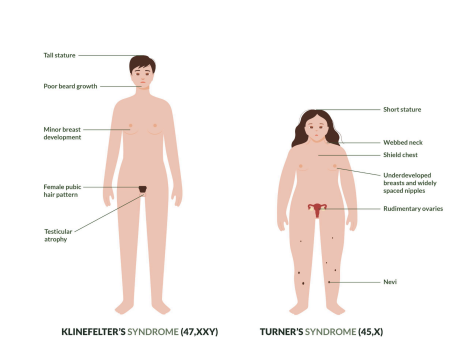
Klinefelter’s Syndrome (47,XXY) and Turner’s Syndrome (45,X) are chromosomal conditions that influence growth, puberty and long-term hormonal health. Klinefelter’s affects males who have an additional X chromosome, often leading to low testosterone levels, slower pubertal development and infertility. Turner’s affects females who are missing all or part of one
X chromosome, resulting in short stature, delayed puberty, ovarian insufficiency and specific health considerations affecting the heart, kidneys and bones.
Both conditions can vary widely in how they present, and many individuals are diagnosed only when puberty or fertility concerns arise. Early identification and timely management help support healthy growth, appropriate pubertal development, reproductive planning and long-term well-being.
Klinefelter’s and Turner’s Syndrome are chromosomal conditions that alter how the body produces and regulates key hormones, leading to characteristic patterns of growth, development and reproductive function.
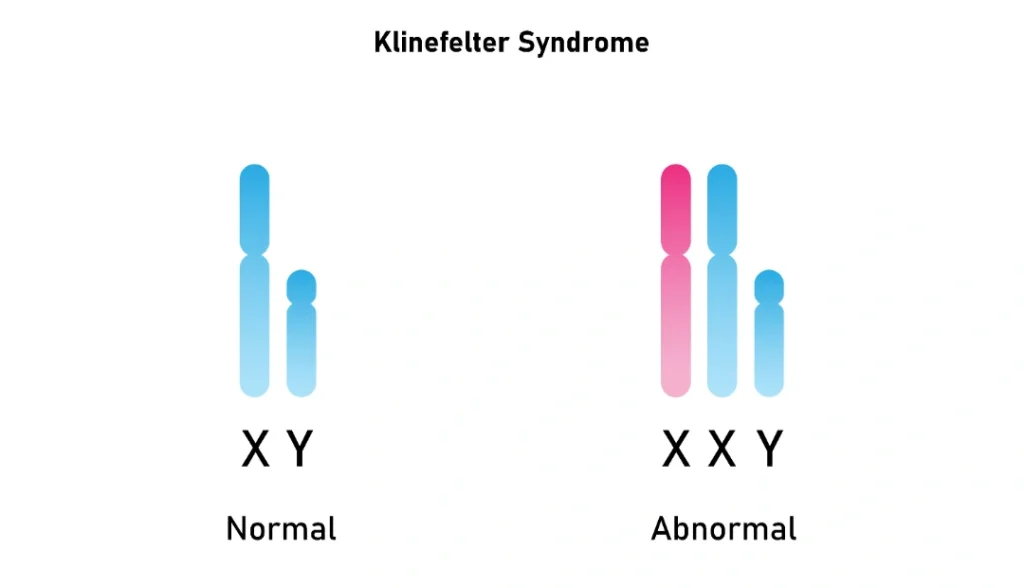
Both conditions can present differently from person to person, but certain patterns often provide early clues. Recognising these signs helps guide timely evaluation and management.
Klinefelter’s Syndrome:
Turner’s Syndrome:
Diagnosis involves evaluating physical features, hormone levels and chromosomal patterns to confirm whether Klinefelter’s or Turner’s Syndrome is present. These assessments also help identify any related health concerns that may need early management.
Treatment for Klinefelter’s and Turner’s Syndrome focuses on correcting hormonal deficiencies, supporting healthy development and addressing associated medical or reproductive needs through early, tailored care.
For Klinefelter’s specifically, endocrine management focuses on improving testosterone levels and symptoms of low testosterone and addressing reproductive concerns. Treatment is tailored to each individual and may begin in childhood or adolescence. At The Metabolic Clinic, we often meet adults who did not have this support during their youth.
Treatment aims to promote healthy development, replacing missing hormones and monitoring associated health conditions. Interventions often begin early to optimise outcomes. At the Metabolic Clinic, we see adults with Turner’s syndrome where hormone replacement is crucial.
Early diagnosis and consistent follow-up can make a significant difference in growth, puberty and overall well-being for individuals with Klinefelter’s or Turner’s Syndrome. Regular monitoring helps ensure that hormonal, physical and developmental needs are addressed at the right time.
Management of Klinefelter’s and Turner’s Syndrome is generally safe, but certain precautions are necessary to ensure treatment remains appropriate over time. Some individuals may require input from other specialists depending on associated health findings.
Certain signs may suggest an underlying chromosomal or hormonal condition, and early assessment helps ensure timely diagnosis and appropriate care. Those under 18 should see a paediatric endocrinologist. Whereas those 18 and above should see an adult endocrinologist.
Klinefelter’s and Turner’s Syndrome are chromosomal conditions that influence hormonal development, growth and long-term health. With early diagnosis and consistent follow-up, individuals can benefit from tailored hormonal support, improved puberty progression, better metabolic and cardiovascular outcomes and more informed fertility planning. Management often combines hormonal therapy, developmental support and monitoring for associated medical concerns, ensuring that each stage of growth and adulthood is approached with proper guidance.
If you have symptoms suggestive of Klinefelter’s or Turner’s Syndrome, schedule a consultation with The Metabolic Clinic for a detailed evaluation and a personalised management plan.
No. Some people have very subtle features and may only be diagnosed during puberty evaluations, fertility assessments or routine genetic testing.
Most girls with Turner Syndrome do not start periods on their own because the ovaries often do not produce enough oestrogen. With hormonal treatment, many can experience induced periods and develop normal pubertal changes.
Life expectancy is close to normal with proper medical care. Regular monitoring of the heart, kidneys and metabolic health helps reduce long-term risks and supports healthy adulthood.
No. Turner Syndrome is not a form of dwarfism. Although short stature is common, it results from chromosomal differences rather than skeletal growth disorders.
Turner Syndrome is not a type of autism. Some girls may have specific learning profiles or social difficulties, but this is different from autism spectrum disorders.
Pregnancy is possible for some women with Turner’s, often through assisted reproductive methods, but requires careful cardiac and medical assessment due to pregnancy risks.
Hormonal treatment may continue into adulthood, but the duration varies. Treatment is reviewed regularly and adjusted based on age, health needs and hormone levels.
Some men with Klinefelter’s Syndrome can have biological children, especially with support from assisted reproductive techniques such as sperm retrieval and IVF. Early fertility assessment helps determine available options.
Not necessarily. Some may have traits like reduced muscle mass or less facial and body hair due to lower testosterone, but appearance varies widely and individuals look typically male.
Klinefelter’s Syndrome is a medical condition rather than a disability. Some individuals may need educational or developmental support, while others have minimal symptoms and lead fully independent lives.
Most individuals have normal intelligence. Some may have specific learning profiles, such as language challenges in Klinefelter’s or spatial reasoning difficulties in Turner’s, which are manageable with support.
Not always, but certain heart conditions are more common. Regular cardiology assessments ensure early detection and appropriate management.
Yes. There is a higher likelihood of weight gain, diabetes and lipid abnormalities, which is why ongoing metabolic monitoring is recommended.
Yes. Growth hormone therapy can significantly improve adult height when started at the right time during childhood.
Some individuals may experience confidence or social challenges due to delayed puberty or physical differences, but early support greatly improves well-being.
Early hormonal support and timely evaluation help preserve or optimise reproductive options where possible, particularly in adolescence.
Yes. Endocrine, cardiac, reproductive and metabolic monitoring often continues into adulthood to maintain long-term health.
Regular physical activity is generally encouraged and supports cardiovascular, metabolic and emotional health, unless specific medical issues require modification.

MBBS (Hons), FRACP (Australia)
Dr. Dinesh lulus dengan predikat terpuji dari Monash University, Melbourne, pada 2009, dan menerima penghargaan Prince Henry's Prize in Surgery. Selama pelatihan endokrinologi di Melbourne, Dr. Dinesh memenangkan penghargaan registrar terbaik di Endocrine Society of Australia Clinical Weekend pada 2016, yang kemudian diikuti dengan keberhasilan beliau mendapatkan satu-satunya beasiswa fellowship Andrologi di Australia pada 2017. Sekembalinya ke Singapura, beliau menjabat sebagai pimpinan subspesialisasi untuk layanan adrenal, pituitari, dan tulang di Khoo Teck Puat Hospital serta mendirikan The Metabolic Clinic.
Sebagai pendidik yang berdedikasi, Dr. Dinesh menjabat sebagai Associate Programme Director untuk Endokrinologi di NHG, melatih calon-calon endokrinolog generasi berikutnya, dan menerima penghargaan NHG Teaching Award for Senior Doctors pada 2023. Sebagai seorang endokrinolog dengan kemahiran dalam bidang endokrinologi umum maupun subspesialisasi, beliau memiliki minat dalam bidang longevity (umur panjang) melalui peningkatan risiko kardiovaskular, metabolisme, kesehatan tulang, dan pencegahan penyusutan otot, yang bertujuan meningkatkan jumlah tahun hidup sehat seseorang.


Jika Anda merasa “tidak seperti biasanya” meskipun hasil tes normal, mengalami perubahan berat badan, kelelahan, atau gejala yang tidak dapat dijelaskan—saatnya untuk melihat lebih dalam.
Dapatkan kejelasan dan rencana yang disesuaikan dengan kondisi hormon dan kesehatan metabolik unik Anda.


Senin - Jumat
8:30 am to 5:30 pm
Sabtu
8:30 am – 12:30 pm
Minggu dan Libur Nasional: TUTUP

© 2026 The Metabolic Clinic. All Rights Reserved.